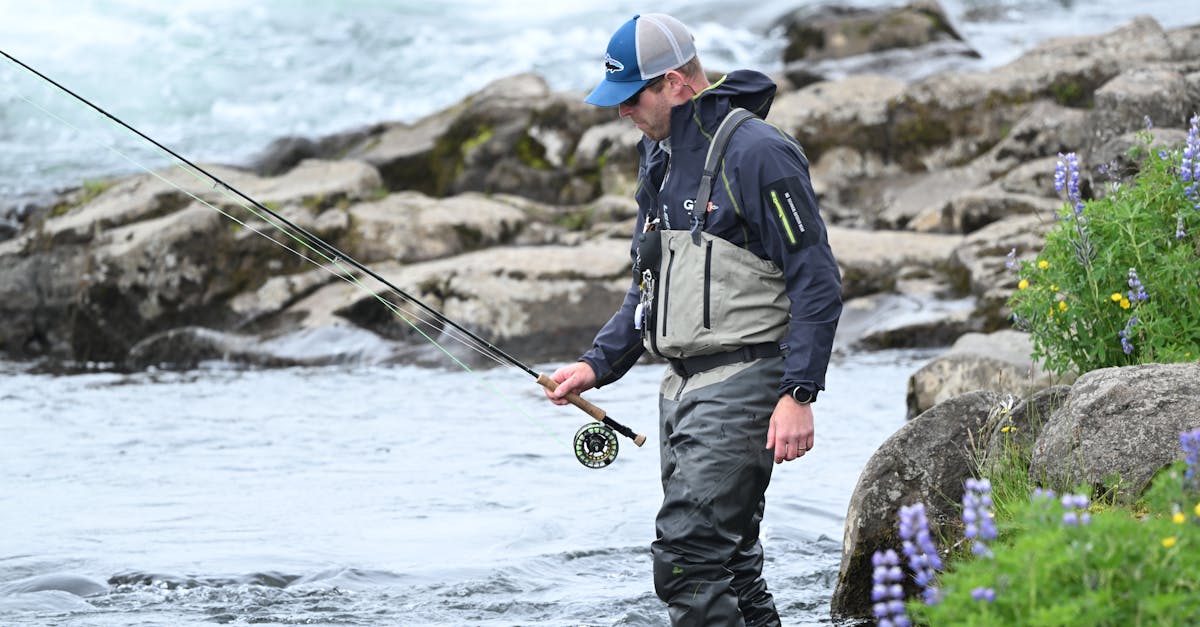
Bighorn River
The Bighorn River below Yellowtail Dam near Fort Smith is a world-renowned tailwater fishery producing some of the largest trout in Montana. Its clear, nutrient-rich flows support extraordinary insect populations and trophy rainbow and brown trout.
Current Conditions
Typical Monthly Flows
Historical median discharge (CFS) by month: Bighorn River
Overview
The Bighorn River is Montana's premier tailwater trophy trout fishery. Below Yellowtail Dam in Fort Smith, this river produces rainbow and brown trout that average 16 to 18 inches, with 20-inch-plus fish being a realistic daily expectation for experienced anglers.
The fishable tailwater section extends roughly 13 miles from the dam to the takeout at Bighorn Access. This relatively short stretch packs an incredible density of trout; estimates range from 3,000 to 5,000 fish per mile depending on the section and year.
The Bighorn's character is different from Montana's freestone rivers. The water is wide, smooth, and deceptively deep in places. Much of the fishing is done from drift boats, covering the long runs and weed-lined banks where large trout hold. Wade fishing is productive in certain areas, particularly near the dam and at specific riffle sections.
Hatches on the Bighorn are prolific. The river is famous for its midge hatches that occur year-round and can produce fish-catching conditions even in January. Spring brings Baetis (BWO) hatches that stack up with the midge activity. Summer hatches include PMDs, caddis, and yellow sally stoneflies. The fall Baetis emergence is legendary, with trout rising in pods to spent spinners.
Scud and sowbug patterns fished as nymphs are staples year-round, reflecting the aquatic crustaceans that make up a significant portion of the trout's diet. San Juan Worms are also effective, particularly after rain events that wash terrestrial worms into the river.
The Bighorn fishes exceptionally well in winter when most Montana rivers are too cold. Water temperatures from the dam remain relatively stable, keeping trout active and feeding on midges and scuds throughout the coldest months.
Water Characteristics
The Bighorn below Yellowtail Dam is a world-class tailwater with water quality characteristics that produce exceptional trout habitat. Cold, clear releases from the bottom of Bighorn Lake maintain water temperatures between 44-54 degrees F year-round. This temperature stability eliminates thermal stress and keeps trout in active feeding metabolism through all seasons. Water clarity is outstanding, typically exceeding 6 to 10 feet of visibility, with a slight blue-green tint from dissolved minerals and the abundant aquatic vegetation.
The river's nutrient load is high, derived from the reservoir's rich water column. This nutrient density fuels extraordinary aquatic vegetation growth: dense beds of Elodea, Chara, and other submergent plants carpet the riverbed, creating the foundation of the Bighorn's food chain. These weed beds harbor dense populations of scuds (freshwater shrimp), sowbugs, midge larvae, and mayfly nymphs. The crustacean component of the diet is what produces the Bighorn's characteristic deeply colored, heavy-bodied trout that are significantly fatter than freestone fish of similar length.
The substrate is primarily gravel and small cobble in the riffle sections, with silt and sand deposits in the deeper pools and glides. The river is wide (100-200 feet across) and flows at a moderate pace, with typical discharges ranging from 2,000 to 4,500 cfs depending on dam releases. Flow fluctuations from the dam can significantly affect fishing; sudden increases in discharge can temporarily put fish off the feed, while stable or slowly dropping flows tend to activate feeding. Experienced Bighorn anglers monitor dam release schedules (available from the Bureau of Reclamation) and plan trips around stable flow periods.
Wading & Float Guide
Wade fishing on the Bighorn is concentrated in specific areas where the river's width and depth allow safe access. The most popular wading area is the section immediately below Afterbay Dam, where the river spreads across a wide, shallow riffle with gravel and cobble substrate. This "dam riffle" extends for several hundred yards and holds exceptional concentrations of trout, particularly during midge and BWO hatches. Anglers can wade comfortably to mid-thigh here and reach feeding fish throughout the riffle.
The Three Mile Access and other pullouts along the upper river provide additional wading opportunities at riffle sections and gravel bars. The key challenge for wade anglers is that much of the Bighorn between the riffles runs deep (4 to 8 feet in the pools and glides) with a substrate of silt, gravel, and dense aquatic vegetation. These deeper sections are generally unwadeable and are best fished from a drift boat. Anglers wading the Bighorn should wear chest waders (even in summer, the tailwater temperatures in the low 50s make wet wading uncomfortable) and felt-soled boots for the best traction on the algae-covered gravel.
Access for wade fishing on the Bighorn requires awareness of land ownership. The river flows through the Crow Indian Reservation, and access rights have been subject to legal disputes. Currently, wade fishing is permitted from the public access sites and within the ordinary high-water mark of the river, but anglers should stay in the river channel and respect private and tribal land boundaries. Check current access regulations before planning a wade-only trip.
Afterbay Dam to Three Mile Access
The highest-density trout water on the Bighorn. Crystal-clear flows directly from the dam hold the coldest water temperatures and the most concentrated insect activity. Prolific midge and BWO hatches create technical dry-fly opportunities. Weed beds line both banks and hold trout in predictable feeding lanes. This section receives the heaviest boat traffic but produces consistently outstanding fishing.
Three Mile Access to Bighorn Access (13 Mile)
The river broadens and develops more classic riffle-run-pool structure. Trout densities remain impressive but slightly lower than the upper 3 miles. Hatches are prolific, with caddis and PMDs becoming more prominent in summer. Fewer boats than the upper section, particularly on the lower half. Large brown trout hold along the weed-bed edges and in the deeper pools. This full float takes 6-8 hours and covers an enormous amount of productive water.
Afterbay Dam to Bighorn Access (Full Float)
The full-day float covering the entire prime tailwater section. Start at first light to have the upper section to yourself before other boats launch. The river has no rapids, significant obstacles, or technical rowing requirements; the only challenges are the occasional submerged weed bed and reading the subtle current seams where trout feed. This is a long day on the water (8-10 hours) but covers all the best water on the river.
Rod & Tackle Guide
Afterbay Dam to Three Mile (Upper Tailwater)
- Rod
- 9' 5-weight
- Line
- Weight-forward floating
- Leader & Tippet
- 10'-12' tapered to 5X-6X (dry fly/emerger), 9' to 4X-5X (nymph rigs)
Crystal-clear tailwater water and heavily fished trout require long, fine leaders. During PMD, BWO, and midge hatches, a 12' leader tapered to 6X with fluorocarbon tippet is standard; anything heavier draws refusals from the upper section's educated fish. The 5-weight is perfect for the small #16-22 dry flies and delicate presentations this water demands. Bring 6X and 7X fluorocarbon tippet spools.
Three Mile to Bighorn Access (Mid/Lower Tailwater)
- Rod
- 9' 5-weight or 6-weight
- Line
- Weight-forward floating
- Leader & Tippet
- 9' tapered to 4X-5X (nymph/scud rigs), 9' to 5X (dry fly)
The lower section is slightly less technical; trout see fewer anglers and the water is a bit deeper. A 5-weight remains the go-to, but a 6-weight is useful when fishing larger scud patterns under an indicator or throwing streamers along weed-bed edges. Leaders can be a foot or two shorter than the upper section. Scud and sowbug rigs with split shot are the bread-and-butter technique year-round.
Recommended Gear
Orvis Clearwater 905-4
Rod · $250
Winter Midge Fishing (All Sections)
- Rod
- 9' 4-weight or 5-weight
- Line
- Weight-forward floating
- Leader & Tippet
- 10'-12' tapered to 6X-7X
Winter midge fishing on the Bighorn is a finesse game. A light 4-weight rod improves sensitivity for detecting subtle midge takes and protects 6X-7X tippet on the hookset. Leaders must be long and fine: 12' tapered to 7X is not uncommon when fish are keyed on #20-24 midge clusters and larvae. Fluorocarbon tippet is essential for both abrasion resistance and reduced visibility in the low, clear winter flows.
Seasonal Fishing Guide
Spring
March through May brings the Bighorn's best BWO fishing. On overcast afternoons, Baetis (#18-22) emerge in dense clouds that bring every trout in the river to the surface. Match with Sparkle Duns, CDC Comparaduns, and cripple patterns. When fish refuse standard BWO duns, try a trailing-shuck emerger pattern fished in the film; this is a Bighorn guide secret that consistently outfishes traditional dries during heavy hatches. Nymphing with Pheasant Tails, RS2s, and small scuds (#16-18) is productive throughout spring. Midge activity remains strong, and a Zebra Midge dropper under a BWO dry is a deadly two-fly rig.
Summer
PMDs (#16-18) take over as the primary hatch from June through August, with morning emergences that can produce spectacular dry-fly fishing. Caddis (#14-18) become important in mid-summer, particularly in the lower river. Yellow Sally stoneflies (#14-16) provide surface action along the banks. Scud and sowbug nymphing (#14-18, in pink, orange, and gray) remains effective all summer as the weed beds are at peak growth and crustacean populations explode. Trico spinners (#20-24) begin in late July and continue through September. Fish tiny spent-wing patterns in the early morning spinner falls.
Fall
The fall BWO emergence (September through November) is the Bighorn's signature event. Dense hatches of Baetis on cool, overcast afternoons bring trout to the surface in pods, and sight-fishing to individual rising fish with #18-22 BWO patterns is as technical and rewarding as dry-fly fishing gets anywhere. Streamer fishing picks up in October as brown trout become aggressive pre-spawn. Swing Woolly Buggers and articulated streamers (#4-8) along the weed-bed edges and in the deeper runs. Fall afternoons on the Bighorn during a BWO hatch are considered by many guides to be the finest dry-fly fishing in Montana.
Winter
The Bighorn is one of the premier winter trout fisheries in the United States. Tailwater temperatures remain in the mid-40s to low 50s, keeping trout active and feeding when freestone rivers are locked in ice. Midge fishing (#20-26) during midday emerges is the primary tactic. Fish tiny Griffith's Gnats, CDC midge emergers, and Zebra Midge nymphs. Scud nymphs (#16-18) fished along the weed-bed edges produce all winter. January and February can provide some of the best fishing of the year with almost no competition. Bundle up; air temperatures in Fort Smith regularly drop below zero, even as the river remains fishable.
Fishing Pressure & Local Tips
The Bighorn's remote location near Fort Smith, a small outpost in south-central Montana roughly 90 minutes from Billings, naturally limits fishing pressure compared to more accessible rivers like the Missouri or Madison. However, the Bighorn's reputation as a trophy fishery draws dedicated anglers from across the country, and the limited 13 miles of prime water concentrates this pressure. The upper 3 miles from the dam to Three Mile Access see the heaviest boat traffic, with guided trips from Fort Smith lodges and outfitters launching daily during the May through October season.
Pressure is heaviest from mid-May through September, with peak weekends seeing 20-30 boats on the upper section. Weekdays are significantly quieter, and anglers who can fish midweek will enjoy a much more relaxed experience. The lower river from Three Mile to Bighorn Access sees progressively less pressure, with the lowest few miles often offering solitary fishing even during peak season. Winter fishing (December through March) is the Bighorn's best-kept secret; the river fishes exceptionally well, but only a handful of hardy anglers brave the cold to experience it. Fort Smith's lodges typically offer reduced winter rates, making it an outstanding value for adventurous anglers willing to endure sub-zero air temperatures for world-class midge fishing.
Local Knowledge
Dam release patterns are the single most important variable for Bighorn fishing success. Before planning a trip, call the Bureau of Reclamation's Yellowtail Dam information line or check their website for scheduled releases. Stable flows between 2,500 and 3,500 cfs are ideal for fishing. Sudden increases in discharge (particularly jumps above 4,000 cfs) can dramatically slow fishing as the river pushes trout out of their established feeding lanes. Experienced Bighorn anglers build flexibility into their schedules, timing their most important fishing days around stable release windows.
The Bighorn's trout are weed-bed specialists. Rather than casting blindly across open water, identify the edges and channels between weed beds where current concentrates drifting food. During BWO and midge hatches, trout establish precise feeding lanes along these weed-bed edges, and a fly placed 6 inches into the weed channel will be eaten when the same fly drifted 2 feet to either side is ignored. Polarized glasses are essential for reading the weed structure and spotting feeding fish. In the clear water, you can often see trout rising and tipping on nymphs in the weed channels before they begin surface feeding.
Carry a comprehensive selection of scud and sowbug patterns in sizes #14-18 and colors including pink, orange, gray, and olive. These crustacean imitations are the Bighorn's year-round go-to subsurface patterns and can save a slow day when hatches are sparse. A tandem nymph rig with a scud and a midge larva, fished under a small indicator through the weed channels at a dead drift, is arguably the most consistently productive technique on the entire river across all seasons.
Species Present
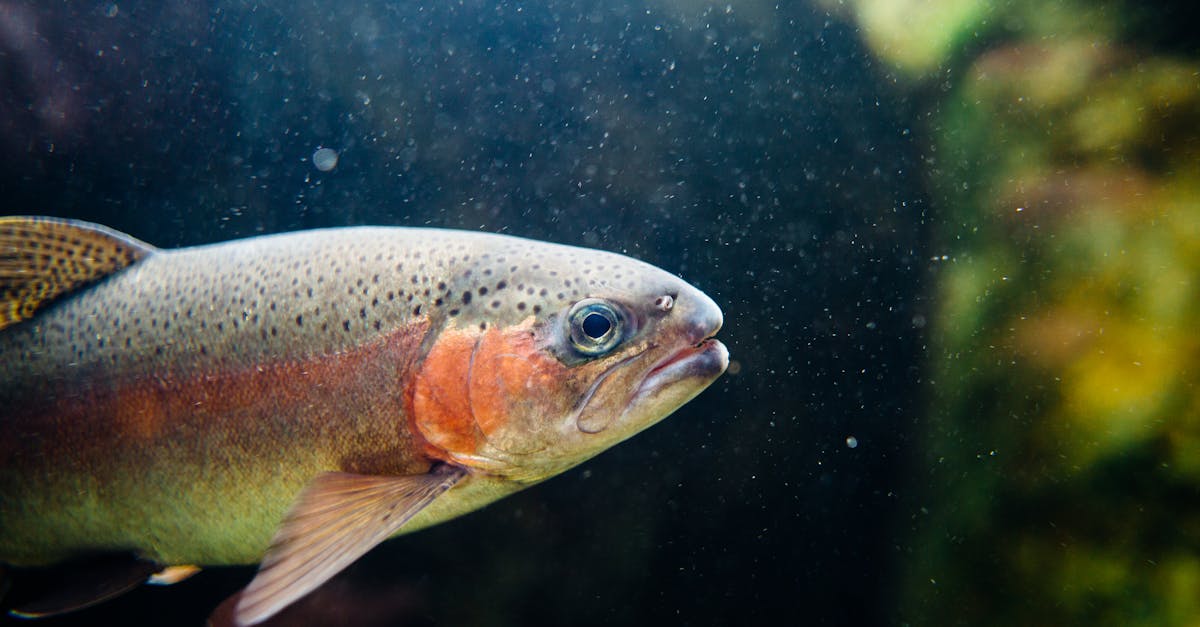
Rainbow Trout
The rainbow trout is Montana's most widespread and popular gamefish, celebrated for its explosive surface strikes, aerial acrobatics, and willingness to take a well-presented dry fly. Native to Pacific Coast drainages from Alaska to Mexico, rainbows were first introduced to Montana's waters in the late 1800s and have since established thriving populations in nearly every major river system in the state. On legendary waters like the Madison, Missouri, and Bighorn, wild rainbow trout grow fat on prolific insect hatches and provide some of the finest dry-fly fishing in North America. Rainbow trout in Montana display remarkable variation depending on their home water. Fish in nutrient-rich tailwaters like the Missouri River below Holter Dam can exceed 20 inches with regularity, their deep bodies and broad tails reflecting the abundant food supply. Freestone river rainbows, such as those in the upper Madison and Gallatin, tend to be leaner and more athletic, shaped by faster currents and colder water temperatures. In many Montana rivers, rainbows spawn in the spring from March through June, and anglers should be mindful of spawning redds during this period to protect future generations of fish. Rainbows are arguably the most versatile trout species for fly anglers. They respond well to dry flies during hatches, aggressively chase streamers, and feed heavily on nymphs subsurface throughout the year. Their fighting ability is legendary: a hooked rainbow will often launch itself completely out of the water multiple times during a battle. Montana's catch-and-release regulations on many blue-ribbon streams have produced exceptional rainbow trout fisheries with high densities of large, healthy fish that continue to draw anglers from around the world.
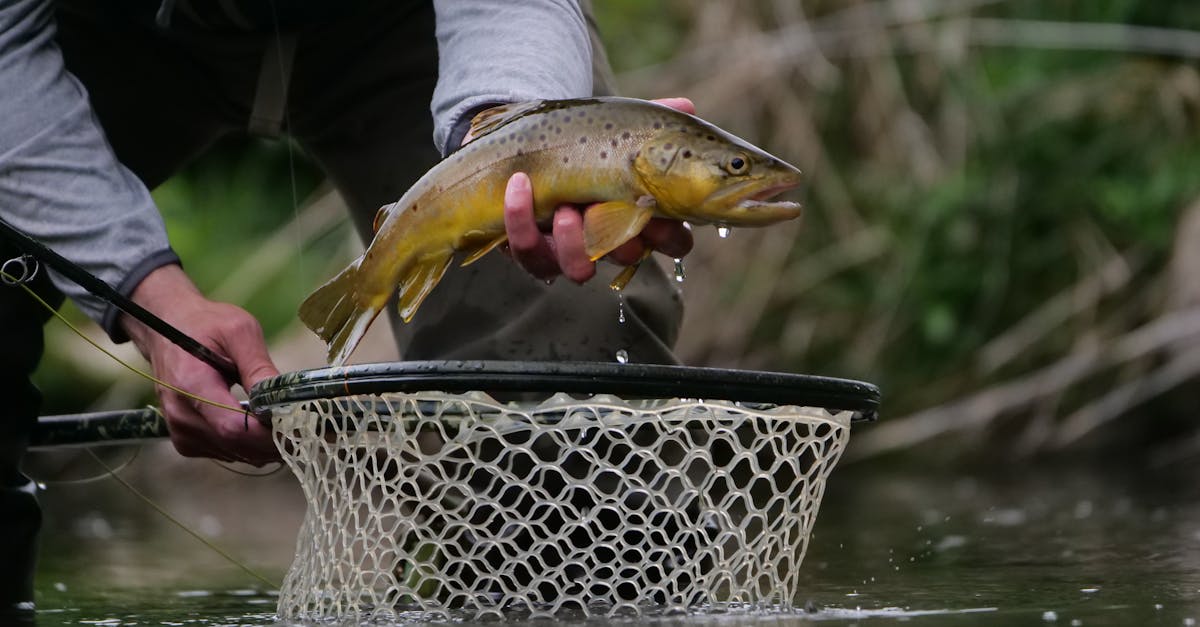
Brown Trout
The brown trout is the most cunning and elusive trout species swimming in Montana's rivers, and it rewards patient, skilled anglers with some of the state's most memorable catches. Originally native to Europe and western Asia, brown trout were first introduced to North American waters in 1883 and arrived in Montana shortly thereafter. They have since established robust, self-sustaining populations in virtually every major trout stream in the state, from the legendary spring creeks of the Paradise Valley to the sweeping runs of the lower Madison and the deep pools of the Bighorn. Brown trout grow larger than any other trout species in Montana, and fish exceeding 24 inches are caught with regularity on premium waters. The lower Madison River, the Missouri River below Holter Dam, and the Bighorn River are particularly renowned for producing trophy-class browns. Unlike rainbows, brown trout spawn in the fall (October through November), and their aggressive pre-spawn behavior creates an exciting window for streamer fishing as large males become territorial and attack anything that enters their domain. Browns are notably more nocturnal than other trout species, and many of the biggest fish are caught during low-light conditions. What sets brown trout apart from other species is their wariness and selectivity. Large browns are notoriously difficult to fool, often refusing flies that are even slightly off in size, color, or presentation. They tend to establish and defend prime feeding lies (undercut banks, logjams, deep pools, and boulder gardens), and an angler who learns to read water and identify these holding spots will consistently catch more and larger fish. This combination of difficulty, size potential, and intelligence makes the brown trout the most prized quarry for many serious Montana fly fishers.
Hatch Chart
| Insect | Suggested Fly | Jan | Feb | Mar | Apr | May | Jun | Jul | Aug | Sep | Oct | Nov | Dec |
|---|---|---|---|---|---|---|---|---|---|---|---|---|---|
Midges morning | Zebra Midge | ||||||||||||
Blue-Winged Olive (Baetis) afternoon | BWO Emerger | ||||||||||||
Blue-Winged Olive (Baetis) afternoon | BWO Emerger | ||||||||||||
Pale Morning Dun morning | PMD Comparadun | ||||||||||||
Caddisflies evening | Elk Hair Caddis | ||||||||||||
Yellow Sally Stonefly afternoon | Stimulator | ||||||||||||
Scuds & Sowbugs all day | Ray Charles |
Midges: Year-round and prolific. The bread and butter of Bighorn fishing.
Blue-Winged Olive (Baetis): Spring Baetis overlap with midge activity.
Blue-Winged Olive (Baetis): Fall BWOs are legendary on the Bighorn.
Pale Morning Dun: Good PMD hatches in summer. Size 14-18.
Caddisflies: Summer caddis hatches. Size 14-16.
Yellow Sally Stonefly: Small stonefly hatch. Size 14-16.
Scuds & Sowbugs: Not a hatch, but scuds are a year-round food source. Size 14-18.
Recommended Flies
Zebra Midge
Top Pick#1 fly on the Bighorn year-round
Best in winter
Ray Charles
Top PickEssential scud pattern
Best in spring
San Juan Worm
Top PickWorm patterns produce big fish
Best in spring
RS2
Top PickMidge and BWO emerger
Best in spring
Parachute Adams
Top PickDuring summer mayfly hatches
Best in summer
PMD Comparadun
Top PickPMD hatches can be prolific
Best in summer
Pheasant Tail Nymph
Top PickClassic nymph for the Bighorn
Best in spring
BWO Emerger
Top PickFall BWO emergence
Best in fall
Curated Fly Boxes
Bighorn Tailwater Box
Year-roundTechnical patterns for educated tailwater trout. Scuds, midges, emergers, and precise mayfly imitations: the Bighorn essential selection.
Access Points & Boat Launches
Afterbay Dam
Boat LaunchEasyTop of the fishable tailwater directly below Afterbay Dam on the Bighorn River. The boat ramp provides access to the cold, nutrient-rich water that sustains one of the highest trout densities in the country. Wade anglers can fish the dam pool and the first several hundred yards of the river, where large rainbows and browns stack up in the deep runs and feed heavily on scuds, sowbugs, and midges.
Three Mile Access
Boat LaunchEasyLocated three miles below Afterbay Dam, this is a popular put-in and take-out for short float trips on the upper Bighorn. The ramp is well-maintained and handles steady traffic from guide boats throughout the season. The water between Afterbay and Three Mile is considered the most productive section, with consistent dry fly fishing during the summer PMD and caddis hatches.
Bighorn Access (Thirteen Mile)
Boat LaunchEasyEnd of the prime thirteen-mile tailwater section and the major take-out point for full-day floats. The facilities here are well-developed to handle the volume of boats coming off the river each afternoon. Below Thirteen Mile the river warms and trout numbers decrease, so this effectively marks the southern boundary of the blue-ribbon fishery.
Two Leggins Bridge
Wade AccessModerateWalk-in access to productive wade fishing water in the mid-section of the Bighorn tailwater. The bridge provides a landmark and the gravel bars on either side offer easy wading at normal flows. This is a good option for anglers without a boat who want to fish the prime tailwater water, with reliable nymphing and dry fly opportunities depending on the season.
Regulations
Regulations
Open year-round below Yellowtail Dam. Afterbay Dam to Bighorn Access (~13 miles): artificial flies/lures only, 3 trout daily combined (more restrictive than standard), only 1 over 18". No hoot-owl restrictions (cold tailwater). IMPORTANT: The Bighorn flows through the Crow Indian Reservation. Montana fishing license required; check with Crow Tribe Fish & Game for any additional tribal permit requirements and access rules. Wade fishing access may be subject to different rules than float fishing due to land ownership. Check FWP at fwp.mt.gov for current Bighorn River access information.
Always verify current regulations with Montana Fish, Wildlife & Parks before fishing.
Some links may earn a commission. Learn more
Quick Facts
- Region
- Southeast Montana
- Water Type
- Tailwater
- River Length
- ~13 miles of prime tailwater (Afterbay Dam to Bighorn Access at river mile 13)
- Difficulty
- Intermediate
- Best Seasons
- spring, summer, fall, winter
- Trout Per Mile
- 3,000-5,000 (upper 3 miles closest to dam hold highest densities; fluctuates with dam release patterns)
- Record Trout
- 29" brown trout (rainbow trout to 26" documented; fish exceeding 8 lbs caught annually)
- Species
- Rainbow Trout, Brown Trout
- USGS Gauge
- 06287800
Where to Stay
Fort Smith
A remote outpost community right at Yellowtail Dam. Several dedicated fishing lodges offer guided trips and meals; this is a destination fishery with lodge-style accommodations.
Book an all-inclusive lodge package for the best Bighorn experience. Most lodges offer multi-day deals with guiding, meals, and lodging. Winter rates are significantly lower.
Hardin
The nearest town with conventional amenities: motels, restaurants, gas stations. About 40 minutes from the river at Fort Smith.
A budget-friendly alternative to Fort Smith lodges. Stock up on supplies in Hardin; Fort Smith has very limited services. The drive is straightforward but remote.